BioViva’s Intellectual Property

Cognitive
BioViva holds a U.S. patent for a gene-therapy approach to age-related cognitive decline associated with dementia, using AAV vectors to deliver hTERT (telomerase) and human Klotho (KL) to the central nervous system. The patent, issued as U.S. Patent No. 12,564,646 in March 2026, covers methods involving intranasal administration of these genetic therapies and specifically claims their use for treating or preventing age-related cognitive decline, including dementia and Alzheimer’s disease.

BioViva’s patent-pending CMV gene-therapy platform is designed to address limitations of conventional AAV delivery by using the substantially larger genetic capacity of cytomegalovirus (CMV) to carry multiple therapeutic genes in a single vector. The platform is intended to enable more complex genetic payloads and potentially reduce the need for multiple vectors or administrations, creating a broader delivery architecture for regenerative and aging-related therapies.

Aging Pathways
BioViva holds U.S. patents covering a dual-gene therapeutic approach to age-related disorders using hTERT (telomerase) and Follistatin-344 (FST). The technology is designed to address two complementary aspects of aging biology: hTERT supports telomere maintenance, while Follistatin is associated with muscle preservation and tissue regeneration pathways. The patent number is U.S. Patent No. 12,653,907, titled Methods of Treating or Preventing Age-Related Disorders, issued June 16, 2026
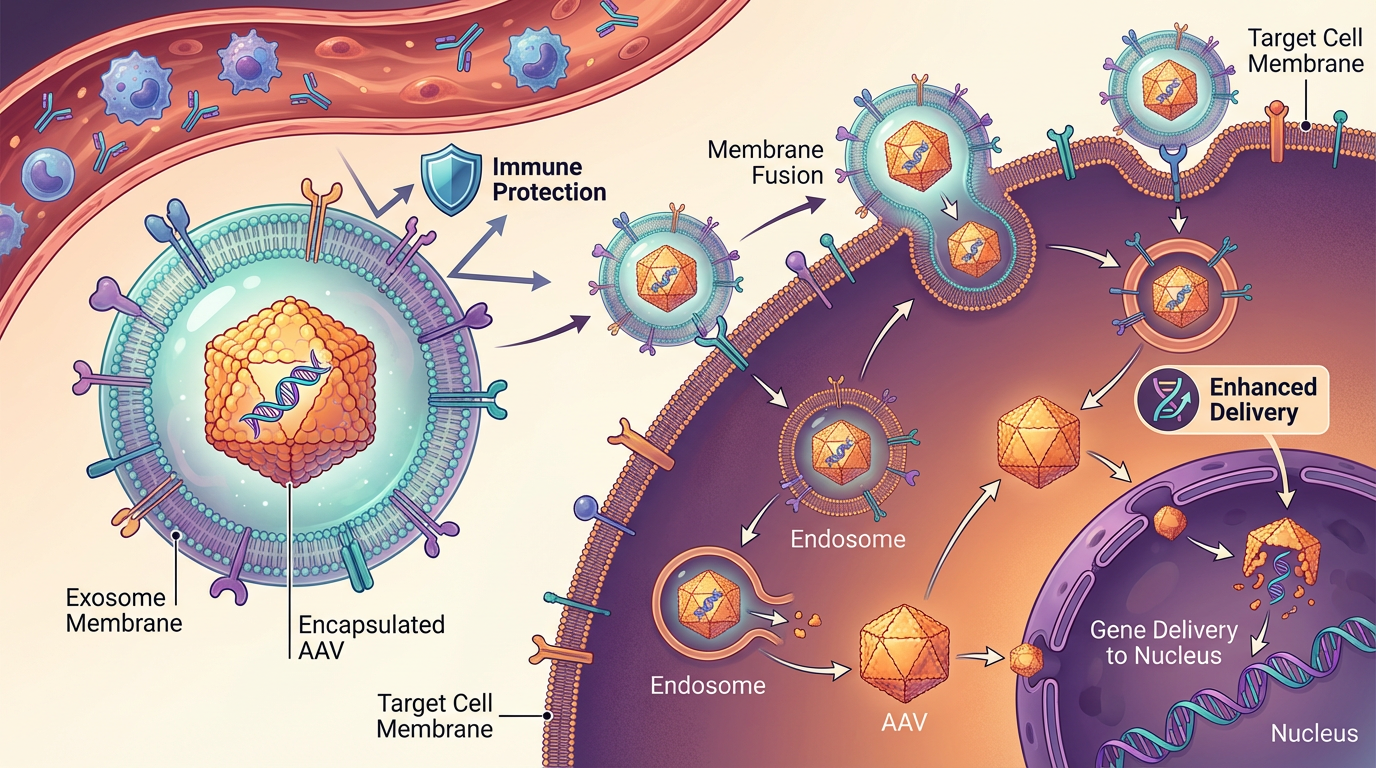
BioViva has a patent-pending approach designed to address one of the major limitations of AAV gene therapy: the difficulty of safely re-dosing patients after an initial treatment. The strategy is intended to enable repeat administration of AAV-based therapies without relying on the CMV platform, potentially allowing therapeutic genes to be delivered again when expression declines or additional treatment is needed. This is an important area of gene-therapy development because immune responses to AAV can make subsequent systemic dosing difficult; BioViva’s approach seeks to create a pathway toward repeat treatment while retaining AAV as the delivery vehicle.

Metabolic
Pending’- BioViva’ pending patent is is focused on developing intellectual property around gene-therapy approaches to metabolic disease, including its work with FGF21 and SIRT6, genes involved in metabolic regulation, energy homeostasis, and cellular maintenance. Addressing metabolic dysfunction at the cellular level, with potential applications in conditions such as obesity, insulin resistance, fatty liver disease, and other age-associated metabolic disorders.

BioViva has three patent-pending programs focused on measuring and characterizing changes in protein expression following treatment with its regenerative gene-therapy candidates, including Follistatin (FST), alpha-Klotho, and hTERT (TERT). The objective is to establish molecular evidence of biological activity by determining whether treatment produces measurable increases in the corresponding therapeutic proteins and related downstream pathways, providing a way to evaluate the biological response to therapy beyond clinical observations alone. This work complements BioViva’s broader intellectual-property portfolio covering hTERT/Follistatin age-related therapies and Klotho/TERT approaches for cognitive decline.